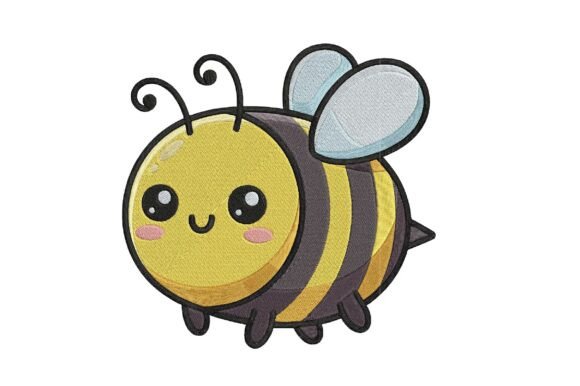
Spring Bee Embroidery Design Review
When I am evaluating a new digital embroidery file for my own studio or for client commissions, I look past the pretty preview image. I look at structure, stitch logic, and marketability. Spring Bee Embroidery Design is one of those files that catches the eye immediately, but does it hold up under the needle? After spending time testing this design on various fabrics and imagining its potential in real-world products, here is my practical assessment for designers, Etsy sellers, and craft business owners.
The First Impression: Mood and Visual Personality
The moment you open the file, the intent is clear. This is not a complex landscape piece or a heavy-duty industrial logo. It is a character-driven design meant to evoke warmth, cheerfulness, and the specific cozy energy of spring. The bee itself is rendered with soft colors and playful details, which suggests a lighter touch in stitching rather than dense, aggressive fills.
For an embroiderer, "playful" often means a mix of stitch types. In this case, we are likely looking at a combination of satin stitches for outlines or key features (like wings or antennae) and perhaps some fill stitches or running stitches for texture. The visual personality is approachable. It feels like a design that belongs on a child’s garment, a nursery accent, or a lighthearted home decor item. It lacks the severity of a corporate logo, which actually makes it more versatile for the handmade gift market.
Real-World Application: Where This Design Shines
I have spent years seeing what sells and what sits in inventory. Designs that tell a simple story sell best when they are applied to personalizable items. Here is how I see Spring Bee Embroidery Design performing in actual production scenarios:
- Nursery and Baby Items: This is the strongest use case. The theme fits perfectly with baby clothes, muslin blankets, and crib bumpers. Because the design is described as "cute," it appeals directly to parents looking for gender-neutral or soft-toned gifts. A small placement of this bee on the chest of a onesie or the corner of a receiving blanket creates an immediate emotional connection with the buyer.
- Tote Bags and Market Accessories: Spring is peak season for tote bags. This design works beautifully as a central motif on canvas totes. The contrast between the sturdy fabric and the delicate embroidery adds value. It transforms a basic $5 bag into a boutique-style product that can command a higher price point.
- Kitchen and Home Textiles: Do not overlook tea towels and aprons. A cheerful bee embroidered on a flour sack towel or a linen apron adds a touch of whimsy to the kitchen. These are high-volume impulse buys at craft fairs and online shops. The design’s simplicity ensures it doesn’t get lost on textured cotton or linen fabrics.
- Holiday and Seasonal Gifts: While labeled for spring, the bee motif has longevity. It can be adapted for Easter baskets, Mother’s Day cards attached to small stitched patches, or simply as a "welcome spring" decoration. Its versatility extends beyond just March and April.
Technical Considerations and Stitch Behavior
As a designer, I need to know how the machine will handle this file. Since the description highlights "soft colors," I expect the thread palette to be light—yellows, creams, soft blacks, or pastels. This presents both opportunities and challenges.
Stitch Density and Clarity: If the design relies heavily on fine detail, such as tiny stripes on the bee or intricate wing veins, the stitch density must be checked. On a commercial level, if the stitches are too close together, the fabric may pucker. If they are too far apart, the shape may look disjointed. For a "playful" design, slightly looser tension or fewer satin columns can actually enhance the aesthetic, giving it a hand-quilted feel rather than a rigid, factory-made look.
Thread Contrast: Light threads require a stable background. When planning your finished product, consider the fabric color. A white or cream bee will disappear on a white t-shirt. You need a contrasting base fabric—denim, navy blue, sage green, or a heather grey—to make the soft colors pop. Always test your thread colors against your fabric swatches before committing to a bulk run.
Where to Use Caution
No design is perfect for every surface. There are specific situations where Spring Bee Embroidery Design might struggle or require adjustments:
- Small Hoop Sizes: If you are trying to fit this design into a 4x4 inch hoop along with text, you may find yourself cramped. Ensure the design scales well without losing the integrity of the "playful details." Tiny versions of detailed bees can become muddy blobs if the resolution isn't high enough.
- Stretchy and Thin Fabrics: Bees often have rounded shapes that can distort on stretchy knits if the stabilizer isn't chosen correctly. Avoid using this on thin jersey without a strong cut-away stabilizer, or you risk the design shifting during stitching. For caps or curved surfaces, the flat nature of the design might not follow the curve naturally unless digitized specifically for that application.
- Dense Stitch Areas: If the original file has large areas of solid fill stitch, be mindful of fabric texture. On boucle or heavy tweed, the needle might struggle to penetrate, leading to skipped stitches. This design is better suited for smooth wovens like cotton, linen, or denim.
Strategic Advice for Sellers and Makers
If you are an Etsy seller or running a craft business, how you present this design matters as much as the stitching itself. Here are a few tips to maximize the value of this embroidery project:
- Mockup Strategy: Before you even thread the machine, create printable mockups. Show the bee on a baby bodysuit, a canvas tote, and a pillow cover. Visualizing the end product helps you target the right keywords and audiences. Use these mockups in your shop listings to show customers the potential of the personalized gift.
- Commercial Licensing: If you plan to sell finished items featuring this design, you must verify the licensing terms. Does the purchase allow for commercial use? Are there limits on the number of units you can produce? Never assume; always check the provider's terms to protect your small shop product from legal issues.
- Quality Control: Test the design on scrap fabric first. Check for any loose threads, puckering, or alignment issues. Inspect the small details—are the eyes distinct? Is the wing shape clear? A blurry bee looks amateurish; a crisp bee looks professional. This attention to detail builds customer trust and encourages repeat business.
- Product Value: Position this not just as a sticker-like patch, but as a custom embellishment. Pair it with complementary elements if allowed by the license, or focus on high-quality backing materials. The perceived value of a handmade product increases when the presentation matches the quality of the stitch work.
Final Verdict
Spring Bee Embroidery Design is a charming, functional asset for any embroiderer’s library. It is not a technical marvel designed to push the limits of your machine, but rather a reliable, market-ready design that delivers on its promise of cheerfulness. It excels in the nursery category, performs well on apparel and accessories, and offers great potential for seasonal marketing campaigns.
For the creative entrepreneur, the key to success with this file lies in execution. Choose the right fabric, ensure proper stabilization, and present the final product with care. If you do, this little bee will likely find its way onto many happy customers' wardrobes and homes. Just remember to check your specific file details regarding stitch count and compatibility, and you will be set for a successful spring collection.