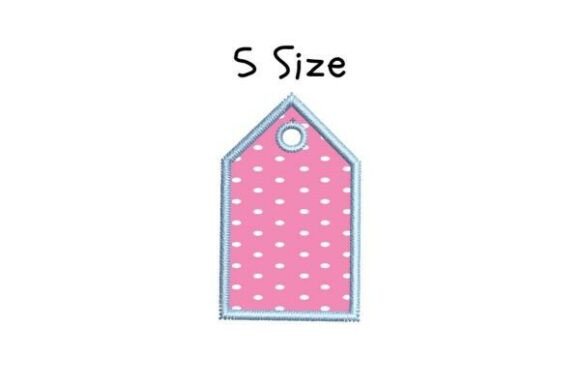
Price Tag Applique Embroidery Design Review
In the world of small business branding, every detail counts. As an embroidery designer who has spent years digitizing files and testing stitches on everything from heavy denim to delicate silk, I know that a successful design does more than just look good—it communicates value. Today, I am reviewing the Price Tag Applique Embroidery Design, a digital asset specifically noted for its versatility in small business merch and branded applications. This review focuses on how this design performs in real-world commercial scenarios, particularly for Etsy sellers, boutique owners, and apparel decorators looking to elevate their product offerings.
First Impressions: Visual Personality and Brand Fit
The moment you load the Price Tag Applique Embroidery Design, the visual personality is immediately apparent. It strikes a balance between rustic charm and modern professionalism. The concept of a "price tag" inherently suggests commerce, value, and retail, but the applique style softens this into something tactile and handmade. For a small café, a florist, or a handmade jewelry brand, this design feels premium rather than cheap. It signals to the customer that care was taken in the creation of the item.
Unlike standard logos that can feel corporate and cold, this design adds a layer of warmth. It works exceptionally well for brands that want to emphasize the "handcrafted" aspect of their products. Whether you are selling organic skincare, artisanal candles, or custom pet accessories, the price tag motif serves as a subtle reminder of the product's worth without being overly aggressive. It is friendly, bold enough to be seen from a distance, yet elegant enough for high-end packaging accents.
Real-World Business Applications
One of the strongest selling points of this embroidery file is its adaptability across various merchandise types. The description highlights that it comes in 5 sizes, which is crucial for commercial embroidery projects where scale matters. Here is how I see this design performing in specific business contexts:
- Embroidered Patches: The most obvious use case is creating detachable patches. These can be sold as standalone items on Etsy or attached to denim jackets and tote bags as a unique branding tool. The applique technique allows for a flat, clean finish that looks professional even at smaller scales.
- Apron Embroidery: For bakeries, cafes, and craft studios, branded aprons are essential staff uniforms. Placing the price tag design on the chest pocket or lower hem adds a touch of whimsy while maintaining a clean aesthetic. It reinforces the brand identity every time the staff member interacts with a customer.
- Tote Bag Design: Canvas totes are a staple for small business merch. This design fits perfectly in the center or corner of a tote bag. Because it is an applique design, it sits slightly raised, giving the bag a textured, luxury feel that customers appreciate.
- Cap Embroidery: While caps present challenges due to curvature, this design’s simple geometric shape makes it suitable for the front panel of baseball caps or beanies. It creates a cohesive look for event merch or promotional giveaways.
- Product Packaging Accents: Beyond apparel, this design can be embroidered onto fabric labels sewn into clothing tags, gift boxes, or hang tags. It transforms standard packaging into a branded experience, increasing perceived value.
Strategic Considerations and Limitations
While the Price Tag Applique Embroidery Design is versatile, no digitized file is perfect for every situation. As a professional, I must highlight where caution is needed. The success of this design depends heavily on execution details.
First, consider the stitch density. Applique designs often involve dense underlay stitching to hold the base fabric in place. If you attempt to embroider this on a very small size (such as a tiny label on a shoe or a miniature accessory), the stitch density may become too thick, causing the fabric to pucker or the design to lose definition. Always test the smallest intended size before committing to bulk production.
Second, be mindful of thread colors and contrast. Since this is a price tag motif, it likely relies on clear lines to define the "tag" shape. If you use low-contrast thread colors against dark uniforms or textured fabrics, the design may disappear. Dark uniforms require bright, contrasting threads to ensure the logo remains visible and legible.
Additionally, the stability of the final product is paramount. The product description explicitly states to "ensure proper stabilization is used." This is non-negotiable. Without the correct stabilizer—whether cut-away for stretchy knits or tear-away for wovens—the applique edges may lift or the hoop marks may remain permanent. Items that require frequent washing, such as work shirts or baby clothes, need robust stabilization to prevent distortion over time.
Impact on Brand Identity and Customer Trust
Investing in high-quality design assets like this one directly impacts your brand identity. Customers today are savvy; they can tell the difference between a heat-transfer vinyl sticker and a professionally stitched embroidery. When a customer sees the Price Tag Applique Embroidery Design on a product, it subconsciously communicates quality control and attention to detail.
This level of professionalism builds trust. A consistent visual language across your custom apparel, hats, and bags helps with brand recognition. When a customer sees that familiar price tag motif again, they recall the positive experience they had with your brand. Furthermore, handmade presentation elevates the perceived value of your goods, allowing you to command higher prices because the craftsmanship is visibly evident.
Practical Designer Notes for Production
Before you upload this digital embroidery file to your machine for production, follow these practical steps to ensure a flawless finished product:
- Test in Black and White: Before selecting fancy variegated threads, run a test using basic black or white thread. This helps you evaluate the spacing and structure of the design without color distraction.
- Check Hoop Size Compatibility: Verify that the largest size of the design fits within your machine’s maximum hoop dimensions. The product mentions 5 sizes, so confirm which ones align with your equipment.
- Mockup for Client Approval: If you are a decorator working with clients, create a printable mockup first. Show them how the design looks on different fabrics and colors to manage expectations regarding texture and scale.
- Inspect Spacing and Outlines: Zoom in on the digitized file if possible. Look for any overlapping stitches or thin outlines that might break during high-speed embroidery.
- Confirm Commercial Licensing: Ensure you have the right to use this design for resale. Some embroidery designs come with restrictions on how many units you can produce. Check the license terms provided with the download.
- Compare Beside Other Assets: Place this design next to your existing logo or other design assets to ensure visual consistency. Does the style match? Is the weight of the embroidery balanced?
Final Verdict
The Price Tag Applique Embroidery Design is a strong addition to any designer’s library, particularly for those in the Holidays sector or retail-focused businesses. Its ability to convey value while maintaining a handmade aesthetic makes it a powerful tool for brand identity building. By paying close attention to stabilization, thread choice, and fabric texture, small business owners can transform this simple file into a premium branding element that drives customer engagement and sales. Remember, the key to success lies not just in the design itself, but in the precision of its execution.