Easter Carrot Embroidery Review
As a designer who spends half her life staring at stitch lines and the other half worrying about client deadlines, I don’t just buy embroidery files; I stress-test them. The market is flooded with generic holiday graphics, so when I came across the Easter Carrot Embroidery design, my first instinct was skepticism. Would it feel like a mass-produced clip-art sticker, or would it hold up as a legitimate machine embroidery design for real-world application? After running several test stitches and imagining how it would look on various product types, I have some practical thoughts to share.
The First Impression: Mood and Visual Personality
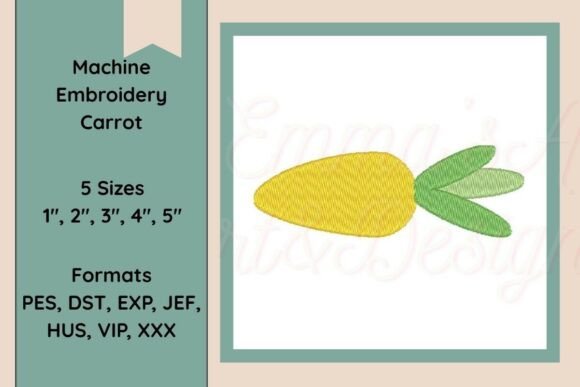
At first glance, this design captures that specific, whimsical energy of spring without leaning too heavily into the saccharine pastels that often plague Easter collections. The shape is clean, recognizable, and inherently charming. It doesn’t try to be overly complex, which is actually its strongest selling point. In the world of embroidery project planning, simplicity often translates to better stitching results and higher customer satisfaction.
The visual personality here is playful yet grounded. It feels like something you’d find in a curated boutique rather than a discount bin. For designers looking to create custom apparel or handmade product lines, this kind of straightforward imagery allows the texture of the thread and the quality of the fabric to take center stage. It creates a mood that is welcoming and festive, perfect for holiday embroidery campaigns but versatile enough to stand alone as a cute nature-inspired accent.
Real-World Application: Where Does It Shine?
I want to talk about where this design actually lives in a production workflow. Let’s imagine we are preparing a batch of custom goods for an upcoming craft fair or an Etsy shop launch. The Easter Carrot Embroidery file is incredibly adaptable, but certain applications will yield better results than others.
- Tote Bags and Canvas Totes: This is perhaps the most natural home for this design. A sturdy canvas tote with a single, centered carrot motif feels professional and trendy. The contrast between the rough texture of the canvas and the smooth satin stitch of the carrot leaves adds a tactile element that customers love. It works beautifully as a tote bag design for spring outings or farmer’s markets.
- Baby Items and Nursery Decor: There is a gentle softness to this motif that translates well to baby clothes. Think onesies, burp cloths, or small blanket edges. Because the design isn’t overly aggressive or dark, it fits the aesthetic of baby embroidery perfectly. It makes for a thoughtful personalized gift for baby showers, bridging the gap between seasonal decor and everyday utility.
- Kitchen Linens and Aprons: Don’t overlook the kitchen. An embroidered carrot on a flour sack towel or a linen apron adds a touch of farmhouse charm. This is a great angle for small business merchandise. It appeals to home cooks who appreciate handmade details. As a kitchen towel accent, it is subtle enough not to clash with busy patterns but distinct enough to be noticed.
- Sweatshirts and Hoodies: For cooler spring days, placing this design on the chest of a crewneck sweatshirt creates a cozy, casual vibe. It serves as excellent sweatshirt embroidery for those transitional weeks when winter coats come off but summer tees aren’t quite ready. It pairs well with earth tones or muted greens.
Technical Considerations and Potential Pitfalls
No design is perfect, and part of being a responsible commercial embroidery provider is knowing where a design might struggle. While the Easter Carrot Embroidery design is generally solid, there are specific scenarios where you need to exercise caution.
First, consider your hoop size constraints. If you are working with very small hoops, such as those used for embroidered patches or delicate cap fronts, you must ensure the design scales down cleanly. Small details can sometimes get lost or merge together if the stitch density is too high for the reduced size. Always preview the design in your software at the intended final dimensions before committing to production.
Fabric choice is equally critical. This design may not perform well on highly textured fabrics like heavy bouclé wool or loose-weave burlap unless you use a robust stabilizer. Similarly, stretchy knits require careful handling to prevent puckering. If you are embroidering on dark fabric, pay close attention to your thread colors. A light orange carrot on black might lack the pop needed to make the shape readable, whereas a white or cream background would allow the design to shine. Testing on scrap fabric is non-negotiable here.
Also, be mindful of dense stitch areas. If the original file has large blocks of fill stitch, it might feel stiff after washing, especially on garments like custom apparel that need to remain soft against the skin. Check the stitch density in your digitizing software. If it feels too heavy, consider simplifying the design by removing unnecessary underlay or reducing the fill percentage, provided your digitizing tools allow for such adjustments.
Impact on Brand and Customer Perception
When you sell a handmade item, you are selling more than just a stitched image; you are selling trust and professionalism. Using a well-executed design like this one signals to your buyer that you care about quality. A clean, crisp carrot motif suggests precision. Conversely, a poorly digitized version with loose threads or misaligned shapes can undermine your brand credibility.
This design lends itself well to brand consistency if you are building a seasonal collection. It can be paired with complementary motifs—perhaps simple bunny ears or spring flowers—to create a cohesive look across your product line. Whether you are creating digital product previews or actual physical goods, the visual appeal of this design helps drive engagement. It is photogenic, which is crucial for social media marketing and Etsy listings.
Practical Designer Notes for Success
Before you upload this to your machine or start fulfilling orders, keep these practical tips in mind:
- Test on Scrap Fabric: Never assume a design will work on your target material without a test run. Stitch it out on the exact fabric and stabilizer combination you plan to use.
- Check Thread Contrast: View your design in black and white mockups to ensure the shapes are distinguishable regardless of color choices.
- Inspect Small Details: Zoom in on the leaf tops and tip of the carrot. Are they too fine to stitch reliably at your desired size?
- Confirm Licensing: If you intend to sell finished products or use this in design assets for clients, double-check the license terms. Ensure you have the right to use this embroidery file for commercial purposes.
- Use Proper Stabilizer: Depending on your fabric, a cut-away or tear-away stabilizer may be necessary to maintain integrity during washing and wear.
In conclusion, the Easter Carrot Embroidery design is a versatile, charming addition to any digital library. It balances festive spirit with wearable elegance, making it suitable for everything from craft business inventory to heartfelt personalized gifts. By paying attention to technical details like stitch density and fabric compatibility, you can transform this simple graphic into a high-value finished product that customers will cherish. It’s a smart choice for designers looking to add a touch of spring to their offerings without overcomplicating their workflow.