Dreaming Tree Rhinestone Embroidery Art Review
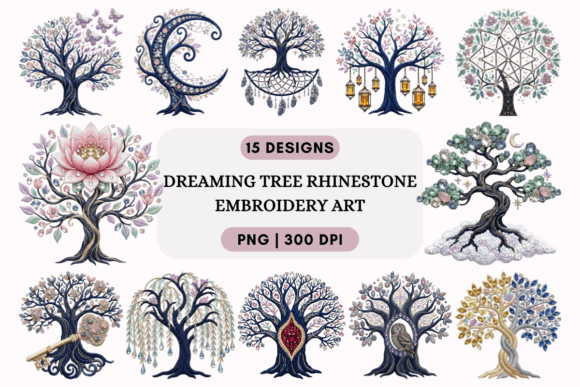
As an experienced embroidery designer who has reviewed thousands of digital assets for commercial use, I look beyond the visual appeal of a design. When evaluating Dreaming Tree Rhinestone Embroidery Art, my primary focus is on its viability as a high-quality asset for small business merchandise and branded patches. The product description invites you to step into a world of mystical wonder, featuring trees grown from starlight and dreams. This celestial theme suggests a design that is not merely decorative but carries a narrative weight suitable for brands seeking to evoke emotion and premium quality.
This review evaluates how this specific piece fits into the workflow of apparel decorators, Etsy sellers, craft business owners, and boutique merch creators. We will explore its potential in real-world applications, from staff uniforms to customer gifts, while highlighting the technical considerations every designer must address before sending a file to production.
First Impressions: Visual Personality and Brand Alignment
The title and description of Dreaming Tree Rhinestone Embroidery Art immediately signal a blend of elegance and whimsy. For a small café, creative studio, or handmade shop, this aesthetic is powerful. It feels professional yet approachable, avoiding the starkness of purely corporate graphics while maintaining enough sophistication to justify a higher price point for finished goods.
The inclusion of "rhinestone" in the title implies a textural element that catches light, adding a tactile dimension to the embroidered patch or logo. This is particularly effective for brand identity because it differentiates your product from standard flat embroidery. Whether used on a tote bag design or a cap embroidery project, the interplay between thread work and sparkling accents creates a perception of value. It aligns well with brands that want to appear modern, classic, and slightly magical without being childish.
Real-World Business Applications
When considering where to deploy Dreaming Tree Rhinestone Embroidery Art, versatility is key. Here is how this design performs across various small business merch categories:
- Embroidered Patches: This design excels as a standalone patch. The intricate nature of the "starlight" theme allows for rich detail that holds up well when applied to denim jackets, canvas bags, or hat backs. It serves as a strong focal point for customer gifts or loyalty rewards.
- Staff Uniforms and Aprons: For bakeries, florists, or boutique retail staff, this design offers a unique branding opportunity. Placed on the chest of a work shirt or the pocket of an apron embroidery project, it humanizes the brand. It suggests that the staff are artisans and creators, fostering immediate trust and engagement with customers.
- Caps and Headwear: Cap embroidery often requires simplified designs, but if the digitization handles the negative space correctly, this tree motif can be striking on the front panel. It works especially well for event merch or limited-edition releases.
- Tote Bag Design: A large-format application on a canvas tote allows the full majesty of the dreamlike trees to shine. This is a staple item for handmade brands and crafters, serving as both a utility item and a walking billboard for your commercial embroidery services.
- Product Packaging Accents: Beyond apparel, consider using this design on hang tags or garment labels. A tiny, high-quality embroidered label featuring the Dreaming Tree adds a luxurious unboxing experience, directly impacting buyer engagement and perceived product value.
Technical Considerations and Potential Pitfalls
While the aesthetic is compelling, every professional designer knows that beauty must be balanced with manufacturability. There are specific areas where Dreaming Tree Rhinestone Embroidery Art requires careful handling:
- Small Patch Sizes: If you intend to scale this design down significantly for small accessories, you must inspect the spacing. Fine details that look good on screen may merge together during stitching. Always test at the final production size to ensure the "starlight" elements remain distinct.
- Stitch Density: Designs with heavy rhinestone or dense fill areas can become stiff. On soft fabrics like lightweight cotton t-shirts, excessive density can cause puckering. Evaluate the stitch density relative to your chosen fabric texture. For structured items like hats or tote bags, the stability is less of a concern.
- Curved Surfaces: Applying this design to curved surfaces like baseball caps or sleeves requires precise underlay stitching to prevent distortion. The organic shapes of the tree branches must follow the curve naturally, or the design will appear warped.
- Fabric Contrast: The effectiveness of the rhinestone and thread colors depends heavily on the background. On dark uniforms or black apparel, the design will pop dramatically. However, on light or textured fabrics, you may need to adjust thread colors or add a backing stabilizer to ensure opacity and clarity.
Impact on Brand Identity and Customer Trust
In the competitive landscape of handmade products and digital embroidery files, visual consistency is paramount. Using a cohesive design like Dreaming Tree Rhinestone Embroidery Art across multiple touchpoints—such as your website logo, social media graphics, and physical merchandise—reinforces brand recognition.
Customers associate high-quality embroidery with durability and care. By choosing a detailed, professionally digitized design over a cheap print, you signal that your business values craftsmanship. This elevates your custom apparel offerings and justifies premium pricing. Furthermore, the "mystical" and "dreamy" qualities of the design can create an emotional connection with buyers, encouraging them to share their purchases on social media, which provides organic marketing for your small business.
Practical Designer Notes for Production
Before integrating this design into your production line, I recommend following these essential steps:
- Test in Black and White: Convert the design to monochrome to check contrast and balance. If the silhouette is weak in black and white, it will likely lack impact in color.
- Check Hoop Size and File Format: Ensure the digital embroidery file fits within your standard hoop sizes. Verify that the file format is compatible with your embroidery machine software.
- Use Proper Stabilizer: The choice of stabilizer (cut-away vs. tear-away) depends on the fabric. For stretchy knits or delicate materials, a cut-away stabilizer provides necessary support to maintain the integrity of the rhinestone and thread work.
- Create a Printable Mockup: Before committing to bulk production, generate a printable mockup. Place the design on images of your actual products to visualize scale and placement. This helps in client approval processes and ensures the design complements other design assets in your collection.
- Confirm Commercial Licensing: Always verify the licensing terms associated with Dreaming Tree Rhinestone Embroidery Art. Ensure you have the right to sell physical items created with this design. This protects your business from legal issues and supports the original artist.
- Inspect Thread Color Contrast: Review the thread palette against your target fabric. High contrast generally yields better readability, especially for smaller details.
Conclusion
Dreaming Tree Rhinestone Embroidery Art represents a sophisticated addition to any embroiderer’s library. Its celestial theme and potential for textural variety make it an excellent choice for small business merch that aims to stand out. By carefully managing stitch density, fabric selection, and placement, designers can transform this digital asset into a tangible symbol of quality and creativity. For those in the crafts and graphics sectors looking to elevate their handmade products, this design offers a strong foundation for building a memorable and trustworthy brand presence.