Ain't No Hood Like Motherhood Embroidery Review
When I first opened the file for Ain t No Hood Like Motherhood Embroidery, my immediate reaction was a mix of nostalgia and practical curiosity. As someone who has spent years evaluating digital assets for both personal crafting and commercial client work, I know that the difference between a good design and a great one often comes down to how it translates from a screen to the fabric. This piece carries a specific energy—it is warm, slightly informal, and deeply rooted in the modern appreciation of motherhood. It feels like something you would see on a well-loved apron or a high-end boutique tote bag rather than a mass-produced discount item.
The First Impression: Mood and Visual Personality
The phrase itself sets the tone immediately. It suggests a playful take on family dynamics, moving away from the overly sentimental or traditional "best mom" tropes we often see. The layout appears designed to balance readability with decorative flair. In my experience, text-heavy embroidery designs can sometimes feel clunky if the lettering is too tight or the spacing is off, but this design seems to have enough breathing room to look professional even at smaller scales. The visual personality is approachable and confident, making it an excellent choice for handmade products that aim to connect emotionally with the buyer.
I am particularly interested in how the design handles the concept of "hood." It implies a sense of community and belonging, which adds depth to the final stitched product. Whether you are creating a gift for a new parent or stocking a shop for Mother's Day, this design offers a narrative element that goes beyond simple decoration. It invites the wearer to smile, which is exactly what makes a finished product memorable.
Real-World Application: From File to Finished Product
To truly understand the value of this machine embroidery design, I put myself in the shoes of a small business owner preparing for a busy season. Imagine you are a craft fair vendor or an Etsy seller looking to launch a new line of personalized gifts. You need items that stand out but also feel cohesive. Ain t No Hood Like Motherhood Embroidery fits perfectly into a collection of custom apparel, sweatshirts, and tote bags.
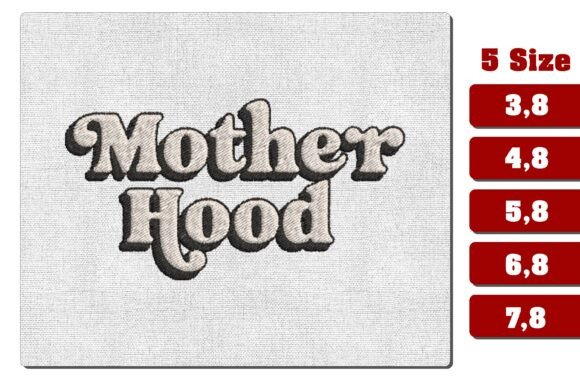
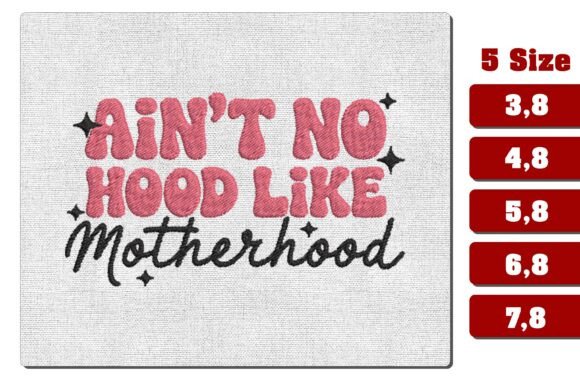
Consider the scenario of creating a set of matching kitchen towels for a bridal shower or a baby shower. The design's versatility allows it to be scaled effectively. If you order the 3.8-inch version, it works beautifully as a chest pocket accent on a chef's coat or a small patch on a denim jacket. However, if you scale up to the 5.8-inch or 6.8-inch sizes, the design gains presence, becoming a focal point on a large pillow cover or the back of a heavy cotton tote bag. The range of available sizes—from 3.8 inches all the way to 7.8 inches—gives you the flexibility to adapt the design for various projects without losing its integrity.
For those of us selling digital embroidery files, knowing that this asset supports multiple dimensions is crucial. It means you can market it as a multi-use design asset, appealing to hobbyists who want to make a quick cap project and boutique owners who need larger formats for wall hangings. The ability to use this embroidery file across different mediums increases its perceived value and utility.
Navigating Technical Challenges and Fabric Choices
While the concept is strong, any experienced designer knows that execution depends heavily on the materials used. When planning to stitch Ain t No Hood Like Motherhood Embroidery, you must consider the substrate carefully. For instance, using this design on stretchy fabrics like jersey knit requires a stabilizer strategy that prevents puckering. If you attempt to embroider this directly onto a thin, flowy fabric without proper backing, the tension might distort the lettering, ruining the clean lines that make the design effective.
Textured fabrics present another consideration. While a chunky wool blend or a linen canvas can add character to a project, the texture might interfere with the clarity of the satin stitches if the needle density is too high. I recommend testing the design on scrap fabric first to ensure the thread colors contrast sufficiently against the background. On dark fabrics, you will likely need a higher stitch count or a specific underlay technique to prevent the fabric color from showing through the lighter threads, which could muddy the visual appeal.
Curved surfaces, such as baseball caps or fitted beanies, require special attention. The design needs to follow the curve naturally. If the lettering is too wide or the corners are too sharp, they may not lay flat on the curved surface of a hat. In these cases, checking the hoop size and ensuring the design is centered correctly is vital. For products that need frequent washing, like aprons or baby clothes, dense stitch areas should be reinforced to prevent fraying over time.
Impact on Brand and Customer Perception
In the world of handmade products, presentation is everything. A well-executed embroidery project signals quality and care, which builds customer trust. When a buyer sees Ain t No Hood Like Motherhood Embroidery stitched neatly on a high-quality garment, they perceive the entire brand as professional. The design acts as a conversation starter, adding a layer of personality that generic prints cannot match.
This is especially true for holiday embroidery projects or Mother's Day collections. Customers are often looking for something unique that feels personal. A finished product featuring this design demonstrates that the maker put thought into the selection of the motif. It elevates a simple tote bag into a statement piece. For commercial embroidery projects, consistency is key. Using a design that maintains its shape and clarity across different sizes helps maintain brand consistency, ensuring that your logo or signature style remains recognizable whether it appears on a small patch or a large banner.
Practical Designer Notes for Success
Before you commit to a full production run or start selling finished items, there are several steps every designer should take. First, always review the stitch density within the file. High-density areas can cause issues on thinner fabrics, so inspect the design closely to see where the fill stitches cluster. Confirm the recommended hoop size for each variation; trying to force a large design into a small hoop can lead to misalignment.
Thread color selection plays a massive role in the final outcome. Test the design in black and white mockups to check the contrast levels before committing to specific thread spools. Compare light and dark fabric backgrounds to ensure the design pops in all scenarios. If you are unsure about the licensing terms, confirm whether the design is approved for commercial use before selling the finished product or the digital file itself.
Finally, do not skip the test run. Stitch the design on a piece of scrap fabric using the same stabilizer and thread you plan to use for the final project. Check small details like the serifs or curves to ensure they are crisp. If the design includes applique elements, verify that the placement aligns correctly with the stitching. By taking these precautions, you ensure that Ain t No Hood Like Motherhood Embroidery delivers the high-quality result your customers expect.
Ultimately, this design offers a blend of charm and versatility that serves both the hobbyist and the entrepreneur well. Whether you are creating a personalized gift for a friend or expanding your catalog for a craft business, this embroidery project provides a solid foundation for creative expression. With careful planning and attention to detail, it can become a staple in your collection of design assets.